Transkrip diambil dari YouTube. Klik timestamp biru untuk melompat ke posisi tersebut di pemutar.
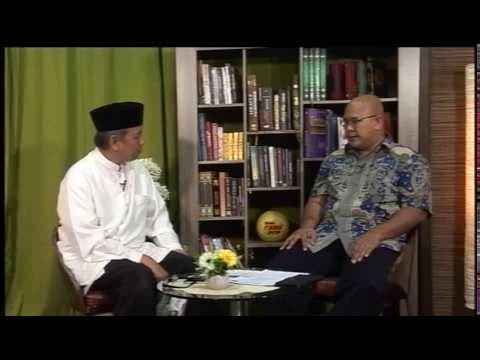
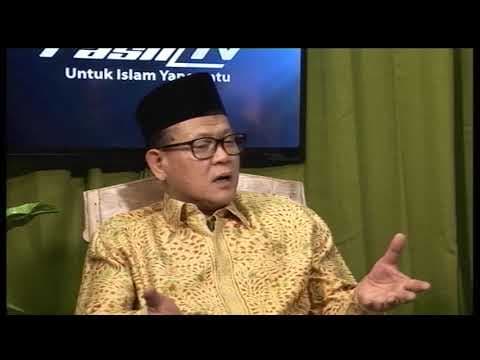
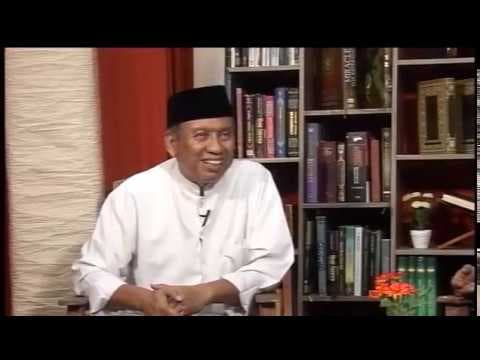
0:55 Brail TV Welcome. 1:49 In the name of Allah, the Most Gracious 1:50 , the Most Merciful. Peace be upon you, 1:52 and Allah's mercy and blessings. May 1:54 Allah shower blessings upon our master 1:56 Muhammad and his family. Praise be to 1:58 God, we meet again today. What day is 2:00 it now, anyway? It is Thursday, the... 2:04 what date is it? 5th, right? 2:05 12th? 2:07 5 Jumadil Akhir 1444, isn't it? Yes, 5 2:12 Jumadil Akhir 1444 or December 29, 20 2:16 ...22. There's this thing, a narrative 2:24 in the WA group, it says how many days 2:29 left until the end of the year? If it's 2:32 your birthday, hurry up, if not, oh 2:34 well, people come up with anything. 2:37 Okay, welcome back to the Ahlan 2:39 Wasahlan program. Here with us is Ondi 2:41 Saputra, handling the switcher and 2:43 camera. There is Anis Mualim as the 2:46 operator. And here with us is also who 2:51 is it? Ah, Habib Mahdi. Alhamdulillah, 2:55 he is also here, making us more 2:57 enthusiastic. We are presenting a 3:00 handsome man. He really is handsome, 3:02 isn't he? He was born in Jakarta on 3:05 April 10, 1979. He went to Pancawarga 3:10 Elementary in Kebayoran Baru. He 3:14 attended SMP 12 Junior High, also in 3:16 Kebayoran Baru. High school at SMA 46 3:19 Blok A, and his bachelor's at Az-Zahra, 3:21 East Jakarta. His master's degree at 3:25 Muhammadiyah, then his doctorate at 3:27 Trisakti. He is an expert in 3:32 organizational culture. When we talk 3:36 about culture, it's not about buildings 3:38 , dances, or food. Later we will 3:41 discuss what culture actually is. Mm. 3:47 He has seven children. He's still young 3:51 , born in '79, but he has three sons. 3:57 And four daughters, but he keeps 4:00 himself looking young. He is Agung 4:05 Shihin. Peace be upon you, Mas Agung. 4:08 And peace be upon you, Mas Krishna. 4:11 MasyaAllah, from the first time we met 4:13 a few weeks ago, Mas Agung Solihin is 4:16 always smiling. 4:19 Is smiling part of the culture too? 4:21 Smiling is culture. 4:22 Part of the culture. 4:23 Part of the culture. Okay, let's talk 4:25 as an organizational culture expert. 4:30 What is meant by culture? Well, culture 4:34 comes from the Sanskrit language. 4:38 Yes. 4:39 Which means the result of collective 4:41 reasoning. 4:41 Yes. 4:42 Not individual. 4:43 Hmm. 4:44 Now, what's interesting is this, Mas 4:46 Krishna. So, there are actually three 4:49 forms of culture. 4:50 Uh-huh. There is the form of ideas, 4:53 there is the form of actions, the 4:56 second, yes 4:58 the third is in the form of artifacts. 5:01 So ideas, then actions, 5:04 then the third, artifacts. 5:05 Like this koko shirt, that includes an 5:06 artifact, right? 5:07 Artifact. Artifact. So here is an 5:09 example. If it's an idea, when we in an 5:13 organization formulate values, vision, 5:16 or mission agreed upon together, 5:19 that is an idea. 5:20 That is a form of the idea aspect. 5:22 Yes. 5:24 We want to plan a trip to Puncak for 5:27 the new year. 5:29 Yes. 5:29 Agreed upon within one family, 5:31 that's an idea. 5:32 Now, that's a cultural form from the 5:34 idea side. 5:34 Yes. Then, for example, we agree that 5:37 in our organization, there is a value 5:40 of professionalism, that is an idea. 5:44 Now, once it becomes an action and is 5:47 implemented, for example, we agreed to 5:50 head to the peak. 5:51 Yeah. 5:52 Then, finally, we go to the peak 5:55 together—not alone, but together. 5:58 That is a manifestation of culture in 5:59 terms of action. 6:00 Yeah. Now, when we're at the peak and 6:03 take interesting photos, and the 6:05 togetherness is visible, that is a 6:07 manifestation of culture in terms of 6:09 artifacts. That's a simple example of 6:12 it, Mas. 6:13 Yeah. Actually, for New Year's, we 6:16 don't want firecrackers, we don't want 6:17 fireworks, we don't want to go out; 6:19 just stay at home. That’s an idea. 6:22 Just stay at home. A great idea. So, 6:24 culture can be conscious, or it can be 6:27 unconscious. 6:28 Hm. The easiest example is this: we 6:31 arrive at a place, and we notice that 6:33 in most of that place, the people are 6:34 indifferent. 6:36 Yeah. 6:37 They don't realize they are being 6:39 indifferent. Yeah. 6:40 That becomes 6:41 an unconscious agreement. 6:45 Hm. 6:46 They aren't aware of being indifferent, 6:47 but they all do it together. Yes, 6:49 that’s culture too. 6:51 Like that. Now, when we arrive at a 6:54 place, it turns out that before they 6:56 pray the obligatory prayers, they 6:58 perform sunnah prayers first. It turns 7:00 out many people do it. 7:01 Yeah. 7:02 That means it is a manifestation of 7:04 culture in terms of action. 7:05 Hm. 7:06 Like that. So sometimes it's like this: 7:09 culture is something that isn't 7:11 actually far from us; it’s not just 7:13 something that exists in organizations, 7:16 but in our daily lives too. 7:18 In our households, really, yes. It’s 7:22 all there. 7:23 It’s something that isn't done alone, 7:25 but together. 7:27 Consciously or unconsciously. 7:29 Masyaallah. 7:30 Like that, Mas Gusta. They say 7:33 Indonesian culture includes people who 7:35 are easy to smile. Mas, is that still 7:38 felt? Is it still there? If it were in 7:42 the past, maybe we could still feel it, 7:44 Mas Krisna. But now, it seems like we 7:47 are used to this, Mas; unconsciously, 7:50 we are always watching shows that are 7:53 full of problems. 7:55 H. 7:55 It's just constant trouble, disasters, 7:58 and problems. We rarely see shows that 8:02 are happy, that build character, and so 8:06 on. That’s very rare. 8:08 So what is the result? The result is 8:10 that the people watching are eventually 8:13 affected. 8:14 Yeah. 8:14 It enters the subconscious mind. And 8:16 becomes what? Eventually, it becomes 8:18 character. 8:18 Yeah. 8:19 And smiling has become something that 8:22 seems rare these days, Om. 8:24 Hm. 8:24 Like that, Mas Krisna. It becomes 8:25 something that 8:26 feels hard to find. 8:28 You see, Mas Krisna, 8:30 I notice there are people who actually 8:34 smile, 8:35 and there are people who 8:37 naturally have a smiling face. 8:39 That is different, Mas Krisna. 8:40 It's different, yeah. 8:41 Smiling and having a smiling face are 8:42 different. 8:42 Yeah. 8:43 If you are to smile, it must have a 8:45 formula. 8:45 H. 8:45 The formula is 2-2-5. 8:47 What? 2-2-5. 8:48 So, 2 cm left, 2 cm right, 5 cm. Not 5 8:52 cm forward, okay? 8:54 5 seconds. Uh, 2 cm to the left, 2 to 8:57 the left, 2 to the right. 8:59 Now, don't make it 5 minutes. If it's 5 9:01 minutes, that's too long. 9:03 Don't do 1 second, 1 second is too fast 9:04 , right? 9:05 Now, the requirement for smiling is 9:07 having a counterpart. 9:08 Hmm. 9:09 If there’s no counterpart, you 9:10 can’t call it smiling. 9:10 Oh, but nowadays there is a counterpart 9:12 on the phone, for example, jokes on the 9:14 phone, they smile, that's no 9:15 counterpart. Counterpart. 9:16 What is the counterpart? The 9:17 counterpart would be the mobile phone. 9:18 Oh, the phone is the counterpart. 9:20 But if they smile without anything, 9:21 that’s something else, right? Now, 9:24 the second one is a smiling face. 9:25 Hmm. 9:26 A smiling face is a person who looks al 9:29 - 9:29 Even without smiling, they look like 9:30 they're smiling, right? 9:31 Yes. Always looks happy. 9:32 Oh. 9:33 So the formula is simple. Half a 9:35 centimeter left, half a centimeter 9:36 right, 9:37 a whole lifetime, 9:38 until you pass away. 9:39 Oh, Mashallah. 9:40 Now, that’s a person with a smiling 9:42 face. So, that is why what we really 9:44 need to train is the smiling face 9:46 practice. 9:46 Even when they have become a corpse, 9:48 there are those who smile, right? 9:49 There are, Mas. Why? Because it’s 9:51 been made a habit, Mas Kris. 9:52 Hmm. Hmm. 9:53 It becomes a culture. Hmm. 9:55 Like that. Now, one time, Mas Krisna, 9:57 someone came to me and confided, "Mr. 10:00 Agung, can I pass away while smiling?" 10:03 Hmm. Oh, like that. 10:05 Yes, they asked that, Mas. I looked at 10:06 their face, 10:07 their face was frowning, and then, 10:11 their face earlier wanted to- 10:13 I had to apologize to them, right? "I'm 10:14 sorry, sir." Like that. You find it 10:16 hard to smile while alive, let alone... 10:21 But it has to be made a habit. That is 10:23 why, 10:23 we need culture. 10:25 Yeah. 10:25 And talking about culture, you can’t 10:27 do it alone. That’s why talking about 10:28 culture is talking collectively. 10:29 Yeah. 10:31 Now, I, if we refer to, if we follow 10:33 Prophet Muhammad sallallahu alaihi 10:36 wasallam, our messenger, then actually 10:38 what he encouraged was building a 10:40 congregation. Not building it alone, 10:43 not building it individually. Yeah. 10:45 So prayer must primarily be in 10:47 congregation, not alone. 10:48 Hmm. 10:49 So from there, we have already been 10:51 invited, already encouraged to do what? 10:53 To be in congregation. 10:55 It cannot be alone. There is a verse: * 10:58 walau anna ahlal qura amanu wattaqau 11:01 lafatahna 'alaihim barakatin 11:03 minas-sama'i wal-ard*. If the people of 11:06 the towns had believed and feared Allah 11:09 , 11:09 yeah, 11:10 then We would have opened up blessings 11:11 from the heaven and the earth. 11:13 Mashallah. "People of the towns," not 11:15 if the residents of a town, no. But the 11:18 residents of the towns, 11:19 that means collective, 11:20 towns. Whoever, 11:22 meaning in congregation. 11:23 In congregation, 11:24 not individually. 11:25 Now, what does that mean? If we are in 11:28 congregation, believe and fear Allah, 11:30 becoming good people, becoming people 11:32 who truly... 11:34 Their Islamic values are also visible, 11:36 not just in their rituals, and surely 11:38 Allah will open the doors of blessings 11:40 from the heavens and the earth. Success 11:43 is certain, 11:43 happiness is certain, not just in this 11:45 world, but also in the hereafter. 11:46 Hm. Now, why do cliques often emerge in 11:50 an organization, whether it's big or 11:53 small? So, within it, there are these 11:56 cliques. Yes, 11:57 how can that happen? 11:59 Yes. So, it's interesting, Mas Kisna, 12:01 building a culture is indeed not an 12:03 instant process. 12:04 Uh-huh. 12:05 It requires a process. 12:06 Uh-huh. 12:06 I remember when I was invited to a 12:09 national dialogue, Krisna, attended by 12:12 many officials. 12:14 Then I said to them that a great leader 12:16 is not defined while they are in office 12:18 . 12:18 Hm. 12:19 When they finish their term, what 12:21 legacy do they leave behind? 12:23 Hm. There are leaders who are great 12:26 while in office, but once they leave, 12:28 they are just ordinary, 12:30 not remembered, right? 12:31 Not remembered at all. Now, there are 12:34 leaders who are still remembered after 12:36 they finish their term. 12:37 Uh-huh. 12:38 I believe, Mas Krisna, that one of the 12:40 best legacies for a leader is culture. 12:43 Hm. 12:44 So, there was research, some 12:46 observations like this. There is a 12:50 great leader, who can make an 12:53 organization great. 12:55 Uh-huh. 12:55 But they don't build a culture. 12:57 Yes. 12:58 What is the impact? When they are moved 13:00 to another organization, 13:01 Uh-huh. 13:02 The great organization's greatness 13:05 diminishes 13:06 or declines. 13:07 Uh-huh. 13:07 It means the leader did not leave 13:10 behind something called a legacy. 13:13 Hm. 13:14 The greatness was only there while they 13:15 were present. When they are gone, when 13:17 that leader is no longer there, it 13:18 declines again. H. 13:20 Now, 13:21 because of that, what should be done? 13:22 If you want sustainable greatness, if 13:24 you want it to be constant, then build 13:26 a culture. H. 13:28 Okay. Yes, a legacy can take the form 13:31 of artifacts or ideas, right? How so? 13:35 Well, the best legacy must become 13:37 behavior. So, behavior and artifacts. 13:40 If it's still just an idea, 13:42 it means it's still just discourse, 13:43 still just normative language. Hm. 13:46 So, what is good? When it has been 13:48 implemented, when it has become a 13:49 concrete form. 13:51 Uh-huh. 13:51 Now, that is actually the best legacy 13:53 in terms of culture. 13:54 When someone builds many mosques while 13:56 they are alive and then passes away, 13:58 that counts as 13:59 as 13:59 a legacy, it is also a legacy. 14:01 It is a legacy. 14:02 H. 14:03 That's it, Mas. So, what's interesting, 14:05 as I told you, Mas, consciously or 14:07 unconsciously, we create culture. For 14:10 example, in an organization, if there 14:13 is someone who is undisciplined, makes 14:15 mistakes, is dishonest, but is never 14:18 punished, 14:19 H. 14:19 never reprimanded, 14:21 what happens later? They will think 14:24 that doing wrong, 14:25 being dishonest, or being undisciplined 14:28 is okay. 14:30 Then a culture is created where 14:33 mistakes and lack of discipline are 14:35 okay. Conversely, there are people who 14:39 are honest, kind, and responsible, but 14:42 never given appreciation, 14:45 Uh-huh. 14:45 never given a reward. What happens then 14:48 ? They will think that doing good, 14:50 being honest, and taking responsibility 14:52 are not important. 14:54 Uh-huh. 14:54 So it thrives. Bad behavior, 14:56 irresponsibility, and dishonesty. It 14:58 becomes a culture. So, consciously or 15:01 unconsciously, we create culture, Mas. 15:04 Uh-huh. 15:05 But now, if we are asked, which is more 15:07 effective, creating culture consciously 15:09 or unconsciously? 15:10 Well, consciously, of course. But all 15:12 this time, we have more often been 15:14 unconsciously creating culture. The 15:17 simplest example is this: at home, can 15:20 we agree as a family that from 7:00 PM 15:23 to 9:00 PM, phones are turned off? 15:27 Hm. 15:28 So everyone's phone is switched off. 15:30 Then we build effective communication. 15:33 Uh-huh. 15:34 Actually, it’s possible if we talk 15:36 about it properly, discuss it, and 15:38 finally agree. Uh-huh. 15:39 Now, what has been happening all this 15:41 time? The father is on his phone, 15:44 the mother is on her phone. 15:45 The mother is on her phone, the child 15:46 is on their phone. If they want to chat 15:48 , they use a WhatsApp group. Uh-huh. 15:51 In the end, it’s individualistic. 15:53 What happens then? When the pandemic 15:55 hit, there was culture shock. So there 15:58 was, what is it? There was confusion, 16:02 a sense of awkwardness, right? Unease. 16:03 Usually they never meet, rarely meet, 16:05 and even when they meet at night, they 16:07 are still busy with their own phones. 16:10 Now, they have to meet every hour, 16:12 right? So the confusion becomes a 16:15 problem, Mas. And that eventually, if 16:17 we don't prepare for it now, it will 16:19 become chaotic. 16:20 Like that. 16:21 Okay, Iwan Darot here. We are still 16:23 chatting with Mas Agung Shihin. He was 16:27 born on April 10th,' 9, but he already 16:32 has seven children. Mashallah, 16:35 extraordinary. 16:36 Alhamdulillah. 16:37 He is an expert in organizational 16:39 culture. So, the definition of culture 16:42 here isn't about food, clothing, or 16:45 buildings, but more about attitudes, 16:47 positive ones. He is also a lecturer at 16:51 Undira, a management lecturer. For 16:54 those who want to ask, we are waiting 16:56 for your opinions at 0811999720 or call 17:05 0218451512. We will also read his phone 17:12 number later, Mas Agung Shihin's phone 17:14 number. He is an expert in 17:18 organizational culture. Uh, Mas Agung, 17:23 what is the difference between Japanese 17:25 culture and Singaporean culture in 17:27 terms of discipline? 17:29 It's interesting like this, Mas. When 17:32 talking about culture, there are two 17:34 types. Uh-huh. 17:35 The first is culture based on value. 17:38 Uh-huh. 17:38 The second is culture based on system. 17:40 Yeah. 17:41 For culture based on value, an example 17:43 is the country of Japan. 17:44 Uh-huh. 17:45 Wherever they are, they remain polite. 17:47 Uh-huh. 17:48 They continue to maintain cleanliness. 17:50 They remain disciplined. That means it 17:52 is culture based on value. Uh-huh. 17:54 Now, meanwhile, Singapore is 17:56 like when they were in Qatar, it proves 17:59 that they 18:00 prove that even when they lost, though 18:02 they lost, right? 18:03 they still 18:03 they were still cleaning up, you know. 18:05 cleaning up trash and so on, that means 18:07 a culture based on value. 18:09 Now, the second is a culture based on 18:11 system. Hm. 18:12 For example, Singapore. 18:13 Singapore's system is, right? 18:14 their country's system is such that 18:16 they don't dare to litter. 18:17 Hm. Because the fines are high. 18:19 High fines mean there is a system. 18:21 But if they go to Indonesia 18:23 or to Batam, 18:26 they can litter anywhere. Why? Because 18:29 there's no system, no fines, and so on. 18:31 Meaning the culture built in Singapore 18:34 is a culture based on system. 18:37 Now, this is interesting. Our young 18:41 people in boarding schools, our young 18:43 people in boarding schools, they 18:47 are diligent at boarding school, 18:49 diligent in praying, on time for 18:50 prayers, and recite well too. 18:52 The question is, why not at home? 18:57 Meaning unconsciously, unconsciously, 18:59 yes. I'm not saying all boarding 19:00 schools, Mr. Kristana, 19:01 unconsciously, the culture built in 19:03 boarding schools 19:05 is based on a system. Hm. 19:08 What does that mean? Only there. Yeah. 19:10 Why don't we also 19:12 strengthen a culture based on value? 19:15 Hm. 19:16 Like that. 19:17 Okay. 19:17 Now, that's what's interesting. 19:20 Alright, alright. We'll read questions 19:22 from the listeners first, okay? 19:23 Ready. Ready. 19:24 From Tanti. So, Mr. Agung, what exactly 19:30 is culture? Yes, just like that. So, 19:37 culture, in terms of its etymology, 19:39 comes from Sanskrit, meaning the result 19:42 of collective reasoning, not individual 19:44 . But according to some experts, some 19:48 say it's a value system, a shared 19:51 meaning held by organizational members 19:54 that distinguishes one organization 19:56 from another, that's according to 19:59 Robbins. But we see generally that 20:03 culture is something that is produced 20:06 from collective reasoning and it is not 20:09 individual in nature. Like earlier, if 20:14 we go with our friends to a place, when 20:17 we agree on something, that is a form 20:20 of culture. 20:22 Hm. 20:22 Yes, at home, it turns out we prefer to 20:25 gather and talk about useful things 20:28 there. That's culture. Yeah. 20:30 Like that. But at home, when we end up 20:33 being individualistic, 20:35 yeah. 20:36 each to our own, not gathering, not 20:37 socializing, that is also a culture. 20:39 What culture? Individualistic culture. 20:41 Do we agree on it or not? We agree on 20:43 it unconsciously. 20:45 Meaning, consciously or unconsciously, 20:47 we are creating culture. Yeah. 20:50 So, culture is not something meant only 20:53 for organizations, but in our lives, we 20:56 can see many things that we can call 20:59 culture. 21:00 Okay. 21:02 From Susi, assalamualaikum, Mas Agum. 21:04 Some say corruption is a culture. 21:07 There are people who agree and some who 21:08 don't that corruption is a culture. 21:09 Because if it's culture, it means that 21:12 Indonesia is all like that. So, what is 21:14 the understanding 21:15 of Mas Agung on this? Yes. So 21:19 corruption is indeed one of them, it is 21:21 also a culture 21:22 but not a good culture, yes. 21:24 There is culture that is purely good, 21:27 and there is also cross-culture. 21:30 Cross-culture talks about less 21:31 favorable culture. What's interesting 21:33 is this, Mas. In Japan, they have a 21:37 culture of honesty. 21:38 Uh-huh. 21:39 When they are asked what honesty is, 21:41 they don't even know anymore. 21:43 Because they have— 21:44 they don't know the definition, they 21:45 don't know the theory. Why? Because 21:47 honesty is no longer a theory, 21:48 Uh-huh. 21:49 But it has become a part of themselves. 21:53 Now, in Indonesia, it's the same, if 21:55 asked what corruption is, 21:58 we don't know anymore. 21:59 We don't know the definition anymore, 22:01 why? Because we corrupt without 22:02 realizing it. Uh-huh. 22:03 If in an organization we corrupt, for 22:04 example, Wi-Fi is supposed to be for 22:06 work, for office business, but it's 22:08 used for personal use. That is 22:09 corruption. 22:10 But we don't realize that it's 22:12 corruption. 22:12 Uh-huh. 22:13 Why? Because we find it hard to 22:15 distinguish between what is corruption 22:16 and what isn't. 22:17 It means without realizing it, it has 22:19 entered us and become a culture. 22:21 Yeah. 22:21 So corruption is also a culture, a bad 22:24 culture that is agreed upon 22:25 unconsciously. 22:26 Uh. 22:27 That's why I said earlier that culture 22:29 can be formed consciously or 22:31 unconsciously. 22:32 Hmm. Okay. 22:33 Like that. 22:34 From Anton. Assalamualaikum Mas Agung. 22:38 If someone driving a car prefers to 22:40 listen to songs compared to listening 22:43 to the Quran, is this also a culture or 22:46 what is the best way? 22:49 Well, if it's done alone, 22:54 then it's called character. 22:57 Character. But if it's more than one 23:00 person, 23:01 for example, in the car, two or three 23:04 people like to listen to songs, 23:07 well, that means it's a culture. 23:09 Hmm. 23:09 But if only he does it alone and others 23:11 don't, then it's not a culture. 23:13 Hmm. 23:14 So culture is collective in nature. 23:16 Oh, I see. 23:16 Things that are collective mean more 23:18 than two. Two or more. 23:20 That falls into the category of culture 23:21 . If alone, it's not a culture. 23:23 Uh-huh. 23:23 But it has become a character. 23:25 Hmm. Okay, like that. 23:28 Who's next? From Mbak Tata. Mbak Tata. 23:32 Uh, from Mbak Tata. From Mbak Tata. Mas 23:35 Agung, on a plane, the flight attendant 23:37 is very kind to us. But after we are at 23:40 the airport, we don't meet them again, 23:42 because that kindness is gone. We are 23:45 not served anymore. Is this also a 23:47 culture? 23:48 That is what was mentioned earlier, 23:50 culture based on system. 23:51 Oh, system. 23:52 Yes. She is only kind because of that. 23:54 She is only friendly because of what? 23:55 Because there is an SOP. 23:56 Yeah. 23:57 If she doesn't do it, she doesn't— 23:59 what do you call it? If you don't 24:00 follow the SOP, there will be a reward 24:02 uh, there will be a punishment. If they 24:04 do it, there will be a reward and so on 24:06 . That’s what an SOP means. 24:08 So, we often do this, right? I once 24:11 gave a presentation in front of some 24:13 customer service staff 24:15 and this was interesting. When 24:16 they’re on the phone, their voice is 24:19 professional. But at home, sir. Yeah. 24:21 No, sir. 24:22 Yeah. 24:23 When on the phone, what can I do at 24:25 home? 24:28 It’s something like that, right? It 24:29 means this, 24:31 it means that unconsciously we are 24:33 often shaped 24:34 by a culture based on systems. 24:36 Unconsciously, we only do things if 24:39 there’s a punishment or a reward. If 24:41 there isn't, it doesn’t really matter 24:43 . 24:43 That’s what happens. 24:45 Okay, like that. Assalamu'alaikum from 24:48 a servant of Allah, Mr. Agum. How 24:51 important is a culture? 24:54 In my opinion, it is very important. 24:56 Why? There is one phrase like this. If 24:59 we don't create culture, culture will 25:02 create us. If we don't create culture, 25:05 then culture will create us. 25:08 Someone who was originally diligent 25:11 enters a lazy environment, 25:13 they become lazy too. 25:14 Hm. Someone who was honest, enters an 25:16 environment that is less honest, they 25:18 become dishonest too. 25:20 Someone who rarely did dhikr, rarely 25:23 studied religion, when they enter an 25:25 environment filled with religious 25:28 studies, scholars, and so on, they will 25:30 follow suit. So, consciously or 25:34 unconsciously, we create culture, and 25:36 once that culture is created, well, if 25:39 we don't create culture, then we will 25:41 be created by that culture. 25:43 Hm. Now, the big question is this. What 25:46 is our choice? Do we want to be created 25:48 by culture or do we want to create it? 25:49 Yeah. 25:50 If we are created by culture, then we 25:52 are just followers. We just 25:53 go with the flow. Whether the culture 25:56 is right or wrong, we just follow it. 25:59 But if we create the culture, then we 26:01 can create it, we can build the 26:03 strategy, we can make plans for the 26:05 future. Oh, this is the culture we want 26:07 to build. So, the steps taken will be 26:10 more directed compared to just 26:11 following along. Okay, 26:14 like that, Mr. Krisna. 26:16 I am listening; today's discussion 26:18 about culture is very interesting. 26:20 Alright, may I have the phone number? 26:22 Okay. Alright, I will read out our 26:24 speaker's phone number today on the 26:26 Alamasalan program. His name is Agung 26:29 Shihin. He is an Undira lecturer for 26:34 management courses. He is an 26:37 organizational culture expert. You 26:41 could also invite him, for example, to 26:43 the office to provide guidance, 26:45 training, or something else. 26:48 Okay, please note down Mr. Agung Shih's 26:50 phone number, it's 0818. Already. Then 26:56 088 55 2718 08 55 27 Agung Shihin. He 27:16 is an organizational culture expert. M 27:21 from Wow, his name is also Agung. Agung 27:28 , but he doesn't live in Lenteng Agung, 27:29 right? Agung in Kemayoran. Uh, Mas 27:33 Agung, can this be applied to the 27:35 government scope? Because in the 27:39 government, there are also some bad 27:41 things, Mas Agung. 27:42 Please, go ahead. 27:43 Thank you. Very good question, Mas 27:45 Agung. Actually, I focus more on 27:47 building that culture in the government 27:49 , Mas Krisna. 27:51 Yeah. 27:52 You see, when we talk about government, 27:55 there's already an established culture. 28:00 Mhm. 28:01 There is a culture that has been built 28:03 and formed for a long time. 28:06 Now, I am actually very, very happy 28:09 right now. Why? Because there have been 28:13 quite a lot of changes now. Mas Kris. 28:16 Cultural changes in the government, 28:17 although not yet entirely, right? 28:20 Not totally, but now in the government, 28:22 there is a value called "BerAKHLAK". 28:25 ASN BerAKHLAK. 28:26 That is very good. 28:27 Yeah. 28:29 And actually, if this "BerAKHLAK" 28:32 culture is applied, the people in the 28:35 government will truly become 28:38 individuals with a very good culture. 28:42 So, this is very, very important and 28:44 needs to be applied in the government. 28:46 In fact, I personally focus on helping 28:48 part of the government, specifically 28:51 the Jakarta Provincial Government, Mas 28:53 Krisna, to build its culture. 28:55 Whether it's the organizational culture 28:58 or the service culture. So, there are 29:00 two. There is organizational culture, 29:02 Mas Krisna, and there is service 29:03 culture. 29:04 Hm. 29:05 Now, why is service culture important? 29:06 Because if we talk about civil servants 29:08 or the government, their core is 29:09 service. 29:10 Yeah. How to serve the public 29:13 wholeheartedly, sincerely, and so on. 29:16 Well, we build this. Interestingly, 29:19 when we talk about service culture, we 29:22 used to just enroll many civil servants 29:24 in service excellence training. Yeah. 29:27 So, only how to have good service was 29:29 built, but only on an individual level. 29:31 Hm. 29:32 Eventually, I tried to offer the 29:33 government that we shouldn't just build 29:35 the individuals, we shouldn't just tell 29:37 the frontliners to provide good service 29:39 , but everyone. Yeah. 29:41 From front to back, from bottom to top, 29:43 so what? So that the feel is consistent 29:45 . If we come to a good organization, 29:47 it's not just the front part, 29:49 but the inside is also okay, the 29:51 superiors are also okay. So everyone is 29:54 truly providing service that feels the 29:56 same, not different. Yeah. 29:58 So, it is important to build it that 29:59 way. 30:00 Now, if Mas Agung provides, say, 30:02 training to an office regarding 30:06 organizational culture, is it not 30:09 possible that, after the training, when 30:13 it was good... 30:15 Mhm. ...but once Mas Agung is gone, 30:19 it slacks off again; how do you keep 30:22 them 30:23 maintaining a good culture continuously 30:25 ? 30:25 Yes. Usually, if it's short-term, that 30:29 is. Only the initial enthusiasm, 30:31 usually just motivation. 30:33 I used to be a motivator, Mas Kris. 30:35 Yeah. 30:36 Building enthusiasm, building change 30:38 for the individuals within the 30:40 organization. 30:42 Well, what's interesting is that after 30:43 meeting with me, they change. 30:45 H 30:45 Enthusiastic. They have high spirits. 30:47 Yeah. 30:47 45 days later, they relapse, they go 30:50 back to how they were. 45 days later, 30:52 they relapse again. 30:53 So, I finally thought, oh, building 30:56 motivation alone is not enough, 30:59 because the culture must be built. 31:00 Talking about culture is talking about 31:01 building an arena. 31:02 I once, Mas Krisna, gave a presentation 31:04 in front of some professors. They said 31:06 to me, "Well, Mr. Agung, it's difficult 31:08 , sir. How can you make people in one 31:12 organization with different backgrounds 31:15 the same?" 31:16 Yeah. 31:17 So they are in accordance with the 31:18 values desired by the organization. 31:20 It's difficult. I said, Mas Krishna, it 31:22 is indeed difficult, Prof. But 31:24 difficult doesn't mean impossible. 31:25 Yeah. 31:27 A simple example is this. People who go 31:28 to the holy land, 31:29 Yeah. 31:30 Are their countries the same? 31:32 No. 31:33 Is the language different? 31:34 Different. 31:34 Their backgrounds are different. But 31:36 when they go to the holy land, 31:38 their direction is the same, their 31:39 steps are the same, their values are 31:41 the same. 31:41 H. 31:42 Why? Because there is already an arena. 31:44 That's not a system. That's not a 31:45 system. No. 31:46 An arena. Not that. It speaks of an 31:47 artifact, an arena that has been 31:49 established and built. Hm. 31:50 There's a mix there, there's the system 31:53 , 31:53 there's the behavior, 31:55 there are the artifacts. It's all mixed 31:56 in there. 31:57 What is the arena for the holy land? 31:59 There is the wukuf arena, 32:01 yeah. 32:02 There is the stoning the devil arena, 32:04 there is the tawaf arena, there is the 32:06 sa'i arena. Whoever comes there will 32:08 perform the same movements. 32:10 Yeah. 32:11 That means you can actually make 32:13 everyone in the organization have the 32:15 same direction, steps, and values. If 32:18 we build what? We build an arena. 32:20 There are two types of arenas. There is 32:22 an arena of values, there is an arena 32:24 of systems. If it's in an organization. 32:25 Yeah. 32:26 In the holy land, there is an arena of 32:28 artifacts. Yeah. 32:29 There is the value arena, there is the 32:31 system arena. Yeah. 32:33 That's why if the system is, for 32:34 example, if we do Hajj and go straight 32:36 to sa'i, we get a penalty. 32:37 Yeah. 32:38 It means it has to be in order. 32:39 Yeah. 32:39 You can't just go straight to tawaf, it 32:41 has to be in order. That's the system. 32:42 So no one dares to— 32:43 do Hajj and go straight to tawaf, no 32:45 one dares. 32:45 Because that's wrong, right? Then what 32:47 is the behavior arena? How they conduct 32:50 activities when they are in the wukuf 32:52 arena. 32:53 Yeah. 32:54 How they conduct activities when they 32:56 are stoning the devil. 32:57 Okay. 32:59 And what is interesting, Mas Krisna, is 33:01 when the king changes, when the leader 33:03 changes, they don't change the arena. 33:06 Yeah. 33:07 But they expand and refine the arena. 33:10 So when the arena is clear, whoever the 33:13 leader is, the leader won't change it. 33:15 Yeah. Yeah. 33:16 But if the arena is not clear, then 33:18 when the leader changes, it will 33:19 definitely be destroyed and changed. 33:21 That's what often happens in government 33:23 . 33:24 Okay. 33:24 When the leader changes, it changes 33:26 again; when it changes, it changes 33:27 again. Why? Because the arena isn't 33:29 clear. Well, talking about building 33:31 that arena is essentially building 33:32 culture. 33:33 Okay. Yes. 33:35 Alright. Next, from Mr. Wawan, Mas 33:42 Agung, I always pray in congregation at 33:44 home, and always read the Quran. Why 33:48 isn't that rubbing off on my children? 33:51 What is wrong with this culture? 33:53 I 33:54 so, actually nothing is wrong, it’s 33:57 just missing a little bit. The missing 33:59 bit is like this. When we pray, that is 34:03 about action. 34:04 Hm. Now, the big question is, during 34:09 the act of prayer, are we doing it 34:12 together in congregation? 34:15 Hm. 34:16 Okay. Do our children, our life 34:18 partners, join us when we pray? Oh yes, 34:21 praying together has become a culture. 34:24 But the big question is, how are the 34:25 values of prayer applied? Have we 34:28 thought about that? H 34:31 Within prayer, there is discipline. Are 34:33 we also disciplined at home, showing 34:35 our disciplined attitude so it can be 34:37 followed by our children? If not, then 34:40 what happens? Well, prayer becomes just 34:42 a ritual. 34:43 Worship that is essentially, uh, a 34:45 ritual culture. 34:46 H 34:47 but there are no values implemented 34:51 after the prayer. 34:52 He. 34:53 Therefore, 34:55 if you want to complete it, that’s 34:56 not wrong. If it’s completed, then 34:59 those prayer values are what we teach 35:00 to our children. 35:01 He. 35:02 So at home, Mas Kisa, if I may share, 35:04 after praying in congregation, I 35:06 usually have a little chat with my 35:08 children. 35:09 He. 35:09 If I happen to be coming home from an 35:13 event and I didn't 35:16 pray at the mosque. I pray at home and 35:17 invite my children to pray in 35:19 congregation. Then at that time, I 35:20 discuss, for example, one value. 35:24 He. 35:25 What value? The value of appreciation. 35:29 He. 35:29 The value that when we are praised by 35:32 someone, we say thank you. But remember 35:34 , the thank you isn't just a thank you, 35:36 but what? We return the praise to Allah 35:38 . 35:38 H. 35:39 The value when what? When we are 35:40 insulted, 35:41 h 35:41 we don't need to take it personally. We 35:43 say Alhamdulillah too. Why? Because all 35:46 praise belongs only to Allah, 35:47 not to me. And I am not worthy of 35:50 praise. 35:50 So, there’s no problem. Being 35:52 insulted is no problem, being praised 35:53 is no problem. And when we educate them 35:56 like that, our children will apply the 35:59 values of prayer. 36:01 Hm. 36:02 So, prayer is not just about culture in 36:04 terms of action 36:05 or ritual, but has become what? Become 36:08 values that can be applied in everyday 36:11 life. Now, we don't continue that, Mas. 36:14 We stop at the prayer, we stop at the 36:16 ritual. He. 36:18 But we don't truly practice the values 36:20 in front of our children. Well, for 36:23 that reason, if you truly want to 36:25 create a good, Islamic culture at home, 36:28 you shouldn't just talk about rituals; 36:31 you must also talk about how to 36:33 implement and apply those values into 36:36 daily life. What's interesting is that 36:40 if we try to look at it together, we 36:42 feel sinful when we don't pray. 36:45 Yeah. 36:45 Because prayer is mandatory. But we 36:47 don't feel sinful when we don't respect 36:49 others. 36:49 Yeah. 36:51 Even though respecting others is also 36:52 an obligation. 36:53 It's part of religion, too. 36:55 But we don't feel sinful. When we don't 36:57 pray, we feel sinful. When we hurt our 36:59 parents 'feelings, we don't feel sinful 37:01 . Yeah. 37:02 If that's considered normal, then 37:03 something is wrong. Now, culture 37:06 shouldn't just be about the 37:08 relationship between us and Allah, but 37:10 also between us and other human beings, 37:13 right? 37:13 Okay. Very well. Next is from Mr. 37:16 Abinizar. Assalamu'alaikum, Mas Agung. 37:18 Wa'alaikumsalam warahmatullah. 37:19 Mas Agung, is a sense of shame part of 37:22 culture or not? From Abi Nizar. 37:26 Well, a sense of shame is a culture if 37:29 it is done collectively. Once again, 37:31 the keyword, Mas Krishna, and for all 37:34 viewers, 37:35 is "collective." 37:39 There is the word "collective." If it's 37:40 just you alone, it's not a culture. Hmm 37:43 . 37:44 But if we then influence others to have 37:48 a sense of shame as well, then it 37:50 becomes a culture. 37:52 Hmm. 37:53 We have a sense of shame, but it turns 37:54 out we are the only ones. The others in 37:56 our organization don't feel ashamed 37:58 when they do something wrong, so the 38:00 culture is that they have no sense of 38:01 shame. Because 38:04 the majority is not ashamed of doing 38:06 wrong, 38:07 right? But we want to change that. Okay 38:11 , I want to change it. I want my 38:13 organization to have a sense of shame. 38:15 So, we finally start to influence them. 38:17 We start inviting them, and if we are 38:19 the leader, we have the authority to 38:21 change it. But if we are not the leader 38:23 , we can invite 38:24 the people we can influence so they 38:26 change and start having a sense of 38:27 shame. That is when we are building a 38:30 culture. 38:32 Okay, 38:33 that's it. 38:34 All right, next. Assalamu'alaikum, Mas 38:36 Agung. Wa'alaikumsalam warahmatullah. 38:37 I am Bu Hati. I'm Bu Hati; at home, 38:43 every Maghrib, we all study the Quran. 38:47 If there is school the next morning, if 38:49 there is school the next morning, we 38:52 don't turn on the TV, and the kids are 38:54 fine with that. We also put away 38:58 cellphones at certain times. Does that 39:01 count as culture in our family? Yes, 39:04 that is a culture. 39:05 That's good. 39:06 That's good. That is based on an 39:08 agreement. 39:09 There is an agreement. 39:10 What if it's under pressure? They are 39:12 afraid of being scolded. 39:13 It can be. That's what you mentioned 39:15 earlier, Mas Krishna; if it's under 39:17 pressure, then it's a culture based on 39:19 a system. 39:20 Hmm. 39:21 So there is external compulsion. 39:24 Hmm. 39:24 There are rewards and punishments. Well 39:26 , like that. Okay. Next, 39:29 Assalamu'alaikum, Mas Agung, from 39:31 Bu Tini. Wa'alaikumsalam warahmatullah. 39:34 What is the difference between culture 39:35 and doctrine or Sharia, for example, 39:37 fasting in Ramadan? Because when the 39:40 time for Ramadan fasting arrives, it's 39:42 done together, and most people who fast 39:44 during Ramadan rarely or find it 39:46 difficult to perform voluntary fasting, 39:48 thank you. Yes. So, teachings speak 39:53 about things that are virtuous, 39:56 conveyed by someone who is indeed a 40:00 chosen person, right? Now, when that is 40:05 then practiced, and it's practiced not 40:08 just by one person, then it becomes a 40:11 culture. So, culture does not mean just 40:16 something that is traditional, or 40:18 customs, arts, and so on. But something 40:23 that is indeed done together, 40:25 collectively, that becomes culture. So 40:29 culture is not just this specific thing 40:31 or that specific thing, no. Everything 40:33 that is collective can be categorized 40:36 as culture. Collective, yes. 40:38 Including the aforementioned fasting in 40:40 the month of Ramadan, that becomes a 40:41 culture. Now, the big question is 40:44 whether that culture stops at the level 40:48 of artifacts or behavior that is only 40:51 momentary, or are the values carried 40:54 forward? 40:55 Hmm. 40:55 As I said earlier, there is a country 40:58 that is not majority Muslim, but its 41:01 behavior is Islamic, its culture is 41:03 Islamic. 41:04 There is. But there are also countries 41:06 that are majority Muslim, but their 41:08 behavior and culture are not yet 41:10 Islamic. 41:12 Hmm. 41:12 Still indifferent to others, still not 41:15 clean, still not disciplined. Because 41:18 Islam is about being clean and 41:19 disciplined. Now, that is Islamic 41:20 culture. Therefore, it needs to be our 41:24 collective concern that what we think 41:26 about isn't just the ritual culture, 41:29 but how the implementation of the 41:31 values from those rituals becomes a 41:34 culture in our homes and so on. Like 41:37 that, Mas Krisna. 41:38 Okay, next is from Nuragung. The name 41:40 is similar, Nuragung. Peace be upon you 41:44 , Mas Agung. It's very interesting and 41:48 good if a positive culture can be 41:50 realized in life. What is your opinion, 41:53 sir, on how our country can have a 41:55 positive culture? What about the 41:58 Quranic verse from earlier? It's very 42:00 appropriate to be used as a basis for 42:02 culture, that by being pious, there 42:03 will be blessings. May it be successful 42:05 , smooth, and blessed. 42:07 Amen, O Allah. Earlier, that was surah 42:09 what, um that um, "wa law anna""And if 42:15 only the people of the cities had 42:17 believed and feared Allah, We would 42:19 have opened for them blessings from the 42:21 heaven and the earth." But as it turns 42:24 out they okay, please go ahead and 42:32 answer. 42:32 Yes. Yeah. So I have one sentence that 42:36 we can reflect on together. The 42:39 sentence goes like this, Mas Krisna. If 42:41 a flower does not bloom, do not cut the 42:46 flower. 42:47 Hmm. 42:48 Fertilize the soil. 42:50 Hmm. 42:50 It could be. It's not the flower's 42:52 fault, but the soil that isn't fertile 42:54 yet. 42:55 Hmm. Not given nutrition yet, right? 42:56 Yes. Now, what does the soil mean? It 42:58 means the environment. 42:59 Yeah. Yeah. Now, talking about the 43:02 environment, if we want to build a 43:04 culture, what we need to change is not 43:06 one or two people, but the collective 43:08 behavior of the leaders. So if 43:10 Indonesia wants to change, then the 43:12 leaders must change first. 43:13 I once had an experience, Mas Krisna, 43:16 where I was speaking at an organization 43:19 for their employees. The employees came 43:23 up to me and said, "Mr. Ago, don't just 43:26 tell us to change." 43:28 Hm. "We have many leaders, sir.""They 43:30 are all different, sir." 43:31 Hm. "Some want this, others want that, 43:33 sir.""So we're confused about whose 43:35 lead to follow, sir." 43:37 Ultimately, we agreed that if you want 43:40 to change the culture, you must change 43:42 the collective behavior of the leaders. 43:45 Leadership commitment. Unite the 43:47 direction, unite the steps, unite the 43:49 values. 43:49 They must be aligned. If not, it's over 43:52 . Because who ends up confused? The 43:53 teams below them are the ones who get 43:55 confused. Exactly like that. It's the 43:56 same with the government. It means 43:58 unite the leaders of this Indonesian 44:00 nation. 44:01 Okay. From Ms. Inge, Mas Agung, how do 44:05 we cultivate, how do we build a culture 44:10 ? That is the question from Ms. Inge. 44:12 Yes. Building a culture cannot be done 44:16 instantly; it requires a process. So, I 44:19 want to tell a brief story. Hopefully, 44:22 there is enough time. You see, Mas 44:24 Krisna, Singapore in the past and 44:26 Singapore today are not the same. In 44:28 the 1960s, Singapore was dirty and 44:30 messy. 44:31 Untidy. 44:32 Hm. 44:32 Many people littered everywhere. 44:34 Yeah. 44:35 Then in '59, Singapore's first prime 44:37 minister was elected, Lee Kuan Yew. 44:39 He was actually born in Semarang, wait, 44:40 no. 44:41 Oh, born in Semarang, right? 44:42 He was born in Semarang. 44:42 Lee Kuan Yew. 44:43 But he became the prime minister in 44:46 Singapore. In '59, he was elected. 44:49 Lee Kuan Yew became prime minister. 44:51 Then he wanted to transform Singapore 44:53 to be clean. 44:54 Hm. 44:55 At that time, everyone said it was 44:57 impossible; they underestimated him. So 45:00 , what did Lee Kuan Yew do? He gathered 45:02 all the government employees. 45:03 Hm. 45:04 Then he said, "I want all government 45:07 employees to spend the first month as 45:10 practitioners.""If someone litters, 45:13 pick it up; we will be the ones to 45:15 dispose of it." 45:16 Hm. "If someone throws trash, we will 45:18 be the ones cleaning it up." Yeah. 45:21 For one full month. 45:22 Uh-huh. 45:23 So, that was carried out. After one 45:25 full month, he called everyone back 45:26 together. Lee Kuan Yew said again, "I 45:29 want all government employees to act as 45:31 educators for this second month." 45:33 Hm. 45:34 One full month. So, if someone litters, 45:36 tell them to pick it up and throw it in 45:39 the trash. 45:39 If they refuse, call security. 45:41 Hm. 45:42 So, they became educators. After that 45:44 second month was over, he called 45:46 everyone again. Yeah. "Now I want all 45:50 government employees to become 45:52 enforcers." 45:53 Hm. 45:53 Disciplinarians. "If someone litters, 45:55 arrest them, jail them, and impose 45:58 heavy fines." 45:59 Hm. 46:00 For one full month, the fourth, fifth, 46:02 and so on, those littering slowly 46:05 started to decrease. 46:07 That’s how Singapore became as clean 46:08 as it is now. So there are actually 46:11 three stages, if we learn from what 46:13 Likandi did, there are three. What’s 46:15 the first one? The first stage is being 46:17 a practitioner first. 46:18 Hm. 46:19 The second stage is being an educator. 46:21 The third stage is where we become a 46:23 disciplinarian. He. 46:25 If someone does right, we give a reward 46:27 . If someone does wrong, we give a 46:29 punishment. Yeah. 46:31 Now, we get knowledge from someone or a 46:34 lecture and immediately become an 46:36 educator without being a practitioner. 46:39 Hm. 46:41 The result? Failure. Most of us want to 46:44 go straight to punishing. He. 46:46 Most of us want to be educators without 46:48 being practitioners. Because what? 46:50 It’s important. 46:51 These three stages. If you want to 46:53 build an Islamic culture at home, 46:55 then first, we must be practitioners. 46:57 After being practitioners, then become 46:59 educators. Third, we become 47:00 disciplinarians or punishers when 47:03 someone does wrong. Reward providers 47:05 when someone does right. 47:06 H. 47:07 So don't just jump to educating. Wow, 47:10 this is a tough question. Greetings, 47:12 Mas Agung. Mas Agung, what if you were 47:14 invited by a political party 47:17 to cultivate a culture of honesty and 47:19 integrity among them? What would you do 47:22 , Mas Agung? Are you ready? This is 47:25 about political parties. Oh boy. Well, 47:27 I would definitely, 47:28 I would be ready. Why? Because I am not 47:30 bringing, uh, what do you call it? Any 47:32 interests. 47:33 I remain neutral, right? 47:34 I remain neutral. 47:35 And a positive culture is a good thing, 47:37 right? 47:38 Positive culture is good. Wherever it 47:40 is, hopefully, when a party truly has a 47:43 very good culture, it becomes a hope 47:45 for us that Indonesia can change. 47:48 Hm. 47:49 Like that. For me, it’s not a problem 47:51 . The important thing is I stay neutral 47:53 . I don’t, I don’t take sides. I 47:56 don’t join any party, I remain Agung 47:59 Solihin. 48:00 Agung Solihin, the pious one. 48:03 With many phone numbers, too. Okay, 48:04 here is Mas Agung Solihin’s phone 48:06 number. For those who didn't catch it, 48:10 we will read Agung Solihin’s number 48:13 again. He is an organizational culture 48:16 expert. The number is 0818. Done. Then 48:24 088. Then 55. Then 277. 0818. 08. 557. 48:47 Mas Agung, how can we ensure that no 48:53 passengers on the bus are smoking? 48:57 Because I feel disturbed, and if I 48:59 confront them, they will surely get 49:00 angry. So, talking about culture, it 49:07 cannot, it cannot be instant. It cannot 49:11 be, uh, what do you call it, 49:14 something we hope will happen 49:17 immediately, no. 49:20 So, actually, it’s not that our 49:22 system is lacking, Mas Krisna. Our 49:26 system is good. 49:27 He. 49:28 The government’s strategy is also 49:29 very good. Now, the interesting thing 49:33 is, the strategy is good, the system is 49:36 good, but the people haven't changed 49:38 yet. if the people aren't disciplined 49:42 yet, if they aren't responsible yet, 49:44 then a good system or a good strategy 49:46 won't amount to anything. 49:47 Hm. 49:49 That is what's happening in Indonesia. 49:51 Why? Because, as I said, it may be that 49:53 we haven't become practitioners 49:55 ourselves. 49:59 Our nation, its leaders, I'm sorry to 50:01 say, perhaps not many are practitioners 50:03 yet. 50:04 Hm. 50:05 So, what is the result? The result is 50:07 that we just punish, we just educate, 50:09 but we never become practitioners. 50:11 People are confused about what the 50:13 right action really is. This happened, 50:15 Mas Krisna, when I was at home and had 50:17 guests over. 50:18 Yeah. 50:19 While I was talking to my guests, my 50:21 son walked past. 50:23 His name is Mikail. He walked by in a 50:25 cocky, swaggering way, just strolling 50:26 along. 50:27 I felt like, oh, his manners 50:29 were a bit lacking. Like that. I was 50:31 embarrassed at the time. Then, after my 50:33 guests left, I invited my son to talk. 50:36 I told him to sit there. Then I walked 50:38 by, "Son, sit there, okay. I’m going 50:40 to walk by, and you feel the difference 50:41 . The first time, I walked by in a 50:43 cocky, swaggering way. The second time, 50:45 I walked by and said excuse me." 50:46 Yeah. 50:47 Then I asked my son, "Which one felt 50:49 better, 50:50 the first or the second?" 50:52 The second, Dad, 50:54 the one that did it this way. Oh, I 50:55 immediately asked for forgiveness, Mas. 50:57 What was the forgiveness for? It meant 50:59 that I was the one who was wrong. Hm. 51:01 Not my son. 51:02 Yeah. I didn't teach him. 51:03 It could be that my son had never seen 51:05 such behavior 51:07 from me. 51:08 Yeah. 51:09 Now, this is an important lesson for us 51:11 . 51:12 Yeah. 51:12 Maybe all this time we’ve been 51:14 judging people, blaming people. The one 51:16 at fault isn't that person, but we are 51:17 the ones at fault. 51:19 We haven't demonstrated that behavior 51:21 yet. We haven't become practitioners, 51:23 yet we expect others to be 51:24 practitioners. That’s it. That’s 51:27 how it is, Mas. Okay, there is a 51:28 question from Dace. Dace Saifudin. 51:33 Peace be upon you, Mas Agung. 51:35 And peace be upon you too. 51:36 I want to ask, is it true that 51:37 corruption in our country, here in 51:39 Indonesia, is a culture? Thank you for 51:42 the answer from Dace Saifudin in 51:44 Bekasi. 51:46 Yes, Dace Saifudin, I had just 51:48 mentioned earlier that corruption is 51:51 indeed a culture that we have 51:53 unconsciously agreed upon. So, it was 51:57 agreed upon by us without us knowing it 51:59 . 52:00 Unconsciously, because it is done too 52:02 often and not just alone, but 52:04 collectively, 52:06 so that makes it a culture. 52:08 Hm. 52:09 That's why I often say this when I fill 52:11 events in government, Mas Krisna, 52:13 Ladies and Gentlemen, which would we 52:15 rather do? Do we wait, do we follow the 52:23 poor culture that currently exists in 52:26 organizations or in the government, or 52:29 do we change it into a better culture? 52:34 Now, talking about culture is talking 52:35 about something that can be passed down 52:36 , Mas. 52:36 Yeah. 52:37 The big question is this. If we try to 52:40 look at the culture in our government 52:41 today, is the culture worthy of being 52:43 continued by the next generation? Hm. 52:47 Or does it still need to be improved? 52:50 Most answered that it should be 52:51 improved, Mr. Agung. The question is, 52:54 if we don't improve it, what happens? 52:57 Then bad cultures, including the 52:58 corruption mentioned earlier, will 53:00 continue to be practiced. 53:03 The big question is, who is responsible 53:05 ? Who is at fault? Whose sin is it? It 53:10 means a perpetual sin. That 53:13 is also a perpetual sin. 53:15 And we currently have the opportunity 53:17 to fix it, 53:17 to build it up. Why don't we do it now? 53:20 Why don't we change it? Like that, 53:22 like that, Mas. 53:23 Okay. From Sumi, Peace be upon you, Mas 53:27 Agung. Here, there is a minister who 53:30 sets an example by being clean. But 53:32 people think it’s just for show ( 53:34 branding). How about from Ummu Fauzan? 53:37 Yes. Yes, speaking of that, because, 53:41 well, because we often see things that 53:44 are not quite right, things that, 53:49 forgive me, fall into inappropriate 53:51 categories. We always see spectacles 53:56 consisting of mistakes, disasters, bad 54:00 things, bad news, and so on. When there 54:03 is good news, it becomes something 54:06 strange, right? Good people are now 54:08 considered strange, 54:09 while bad people are seen as normal. 54:14 Well, various interpretations then 54:16 arise. 54:17 Some say it's good, others say, "Ah, 54:19 it's just for show," and so on. So, 54:22 what is the solution? The solution is, 54:25 why don't we campaign for good things 54:27 together now? If people want to call it 54:30 a gimmick, call us arrogant or 54:32 conceited, it doesn't matter. 54:35 It’s enough for us and God to know; 54:36 just like that. Now, what have we 54:38 become? We are withdrawing. Good people 54:40 are withdrawing. Afraid of what? Afraid 54:41 of being called "all for show." Yeah. 54:43 When they show off, when they, uh, post 54:46 , "Wow, it's a gimmick," what's the 54:48 result? What's being shown and watched 54:50 are just people who aren't very good. 54:52 Okay. 54:53 Because of that, let's just build it 54:54 together. Culture, Sir. A culture of 54:56 promoting good, not for self-branding, 54:58 but for branding good culture. That's 55:00 it. 55:02 Don't worry about what people want to 55:04 say, Mas. 55:05 Okay. Next from Mr. Jufri Asegap. Peace 55:08 be upon you. 55:08 And peace be upon you too. 55:10 Mas Agung, you said earlier that 55:11 smiling is a culture, and in Islam, 55:14 smiling is an act of worship. Now, my 55:17 question is, is body fragrance a 55:19 culture or an act of worship? Because I 55:22 feel relaxed and calm when I smell a 55:25 nice scent on people in public 55:27 transport. 55:28 Yes. So, if we talk about scent, it is 55:31 an individual matter. 55:33 Yeah. 55:34 But when it is instructed that we must, 55:39 what? Must make people feel comfortable 55:42 being close to us. In the government 55:45 now, there is definitely something 55:46 called hospitality culture. H 55:48 That kind of culture, the culture of 55:50 how we maintain our body fragrance so 55:53 that people near us feel comfortable. 55:56 When it is done and agreed upon that 55:59 when we serve people it must be with a 56:01 fresh body, then it becomes a culture. 56:05 Yeah. Okay. 56:07 But when it's only us making the 56:09 decision, then it becomes a character. 56:13 Hm. 56:14 Not a culture, but a character. A 56:16 personal character that, God willing, 56:19 will be very valuable. Especially if we 56:21 can invite others to do the same, 56:23 like having a fragrant body so people 56:26 feel comfortable being near us. 56:28 Then it becomes a culture. 56:30 As a servant of Allah. Greetings, Mas 56:32 Agung. Mas Agung, I have a question. 56:35 Is the LGBT community considered a 56:37 culture too? 56:39 That's a heavy question. 56:41 Yes, LGBT falls into the category of 56:44 culture. But it is a strictly forbidden 56:49 and very negative culture. Because it 56:52 is not something done alone. 56:54 Hm. 56:55 It has a community, it spreads, and so 56:59 on. And that is really concerning, Mas. 57:05 It's really scary. So, that is a 57:08 culture. Because of that, culture can 57:11 be good or it can be bad. If it's good, 57:15 it talks about how the culture is truly 57:17 pure. H 57:19 Yes, a good culture. If it's the 57:21 opposite, it's a cross-culture that 57:23 contradicts a good culture. So, LGBT 57:26 falls under the category of culture. 57:29 Culture is not done alone. It is not 57:31 done alone. There are many corrupted 57:32 cultures. 57:34 That is terrifying. It’s scary now. 57:37 Okay, Mas Agung, unfortunately, we are 57:39 limited by time, and hopefully, all the 57:41 questions have been answered. Oh, how 57:45 to cultivate a positive culture for the 57:48 family, for the wife and children, and 57:51 what are the small examples? From Amar, 57:54 this is the last one, okay? 57:56 One last one is okay. 57:57 Uh, 58:00 go ahead. So, in a family, specifically 58:03 , it’s like this: when we want to 58:06 build a house, the first thing we 58:08 create is a design. 58:11 Yeah. A household also needs a design. 58:15 Oh, it needs a design? Must we have a 58:17 design too? 58:17 Yes. Because it’s a household. 58:19 Many of us, when we start a family, 58:22 never create a design. 58:24 Hm. 58:25 What is the result? Well, if a house 58:27 has no design, it will definitely be 58:28 messy. 58:28 Yeah. 58:30 The result could be good, or it could 58:33 be bad. 58:34 Therefore, if we want our household to 58:36 be good, we must have a design. Where 58:39 do we want to take our household? Where 58:41 do we want to take our family? 58:43 And what follows that? Create a mission 58:45 . A strategy so that our household is 58:49 much better. 58:50 What values? It is clear, our Islamic 58:52 values that we will build upon. But not 58:54 just talking in normative language, 58:57 not just talking about ritualistic 58:59 things, but how it is implemented into 59:01 our daily lives. What does that mean? 59:03 Becoming a practitioner, an educator, 59:06 and a disciplinarian. 59:07 Hm. And a practitioner, yes. 59:09 Yeah. Okay, Mas Agung. As I said 59:12 earlier, we are limited by time. 59:14 Perhaps there's a final word you'd like 59:16 to share 59:16 regarding this culture. 59:18 Yes, Mas Krisna. So, once again, when 59:20 we speak of culture, consciously or not 59:23 , we create culture, and if we don't 59:26 create it consciously, we will surely 59:29 create bad culture. Therefore, the best 59:34 legacy for us is to build culture, and 59:37 we only live once, Mas Krisna and 59:40 viewers, so before our lives end, let 59:43 us leave a legacy. One of the best 59:47 legacies is culture. 59:50 A good culture. Okay, thank you, Mas 59:53 Agung. Lastly, the phone number we will 59:56 read back, Agung Shihin, the number is 59:58 0818 08 55 2718 0855277. Thank you, Mas 1:00:16 Agung. I hope we can be together again. 1:00:19 Amen, oh Lord of the worlds. 1:00:20 Right. I am Muhammad Krishna Saputra, 1:00:23 Anis Mualim. Also earlier there was 1:00:28 Ikin, and there was Bib Mahmedi. Thank 1:00:33 you for joining us. Okay, see you again 1:00:35 next time. Anis Malim Saputra signing 1:00:38 off. May God grant success and guidance 1:00:40 . Peace be upon you, and God's mercy 1:00:41 and blessings.